Your destination for personal and cultural enrichment.
Wellness Arts Center
Your destination for personal and cultural enrichment.
Wellness Arts Center
We invite you to explore your potential
in an open, supportive, welcoming environment.
|
Visit Wellnessarts.com often as we expand our website
and include more features to better serve you.
Click on this video to check how work with our clients
There are many variations of passages of Lorem Ipsum available, but the majority have suffered alteration in some form, by injected humour, or randomised words which don’t look even.
Changing rooms
Neque blandit consectetur viverra placerat ante are many variations of passages.
Free lessons
Neque blandit consectetur viverra placerat ante are many variations of passages.
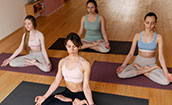
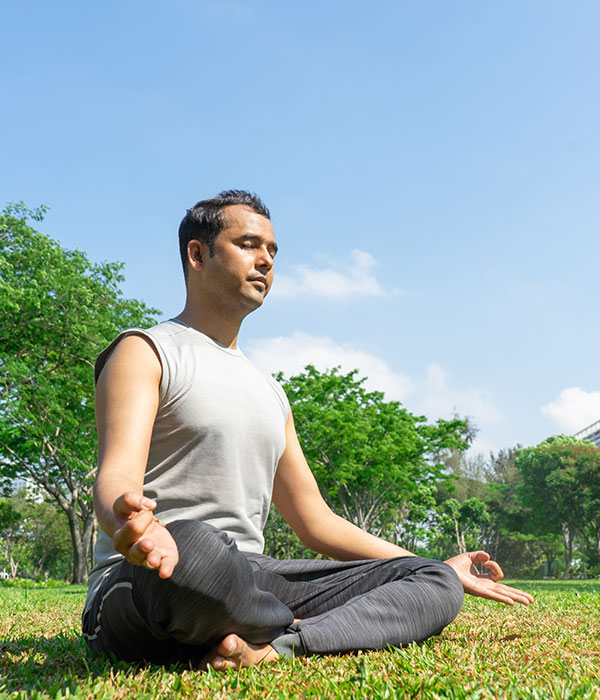
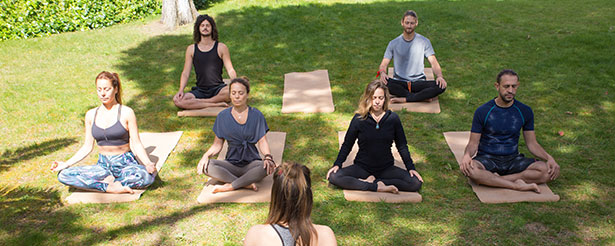
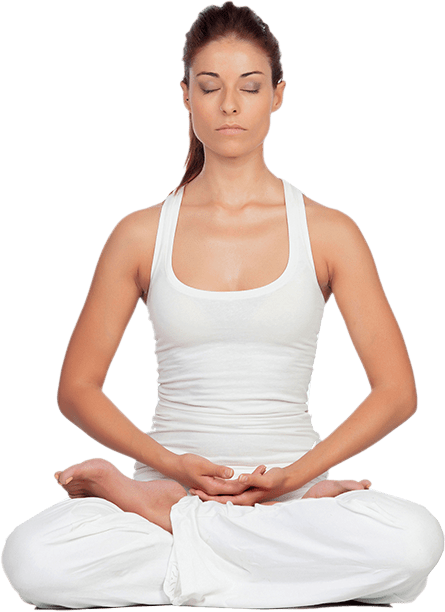
Meditation Practice
Sed ut perspiciatis, unde omnis iste natus error sit voluptatem accusantium doloremque laudantium, totam rem aperiam eaque ipsa, quae ab illo inventore.
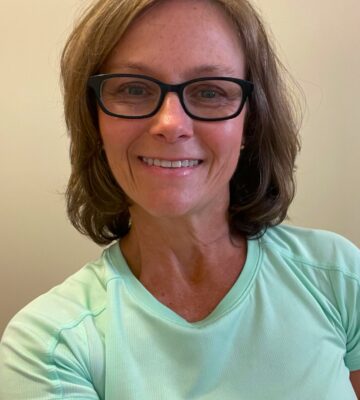
I now have better balance, and a peace of mind and spirit because of Charm’s yoga classes. I have learned the proper way to breathe. Charm is wonderful and makes each fun, plus it gets me out of the house!
Maria, Montrose
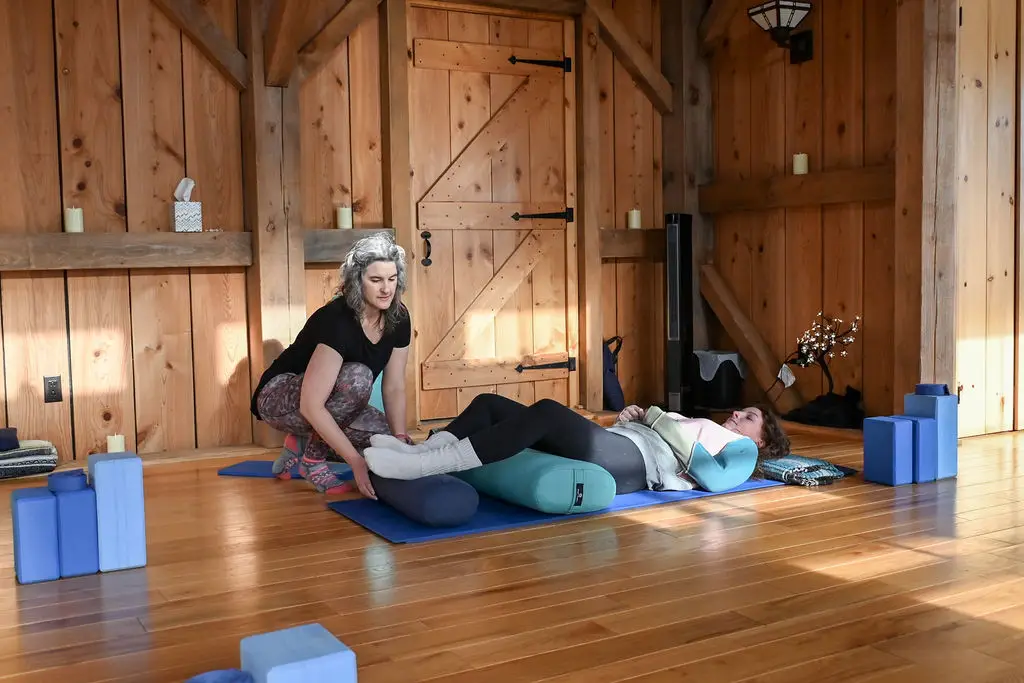
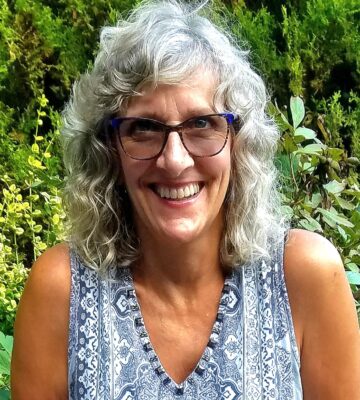
MELT yoga calls itself “a gentle self treatment technique that enhances mobility, stability and performance and is clinically proven to reduce chronic pain while restoring overall wellbeing.” I have found all that to be true and find myself physically restored and spiritually healed after Jean’s class. Very refreshing.
Nancy, Montrose
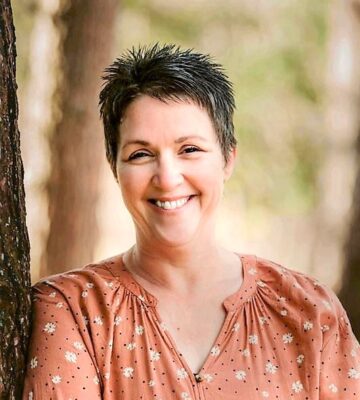
I’ve been going to yoga with Charm for 4-5 years. I have issues with my lower back and shoulders. When I do a lot of physical work like flower beds and housework, I often go to yoga feeling so sore and wondering if I felt up for it. I always go. Yoga with Charm has helped me in so many ways both physically and mentally. I encourage many people to give it a try because I know how much it has benefited me.
Paula, Montrose
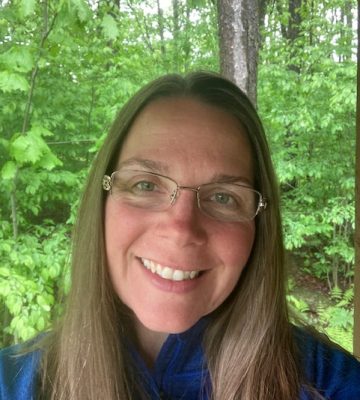
I have been going to yoga with Charm for 5 years. I recently had knee replacement surgery, and went back to yoga a few months later with Charm’s help. She showed me different ways for all the poses that allowed me to continue my yoga practice. After a checkup with my surgeon, he said he was impressed with my progress and called me a ‘superstar!’ All thanks to Charm’s yoga!
Diane, Montrose
The class has really helped with increasing strength in arms, legs, and stomach…twisting and stretching positions are great. Charm makes you feel very comfortable and gives great instructions. Amazing class…love it!
Shirley, Hallstead
Yoga as helped me tremendously not only in giving me more flexibility, but also managing inflammation in my lower spine. It has helped me avoid injury while playing pickleball and gardening. Yoga allows me to relax, take time, and let go of stress.
Karen, LeRaysville
why people choose us
My course helps to become successful in life.
Nullam porta enim vel tellus commodo eget laoreet odio ultrices. Etiam fringilla lobortis sapien sit amet cursus. Maecenas est orci congue egestas lobortis vel feugiat non tellus.